
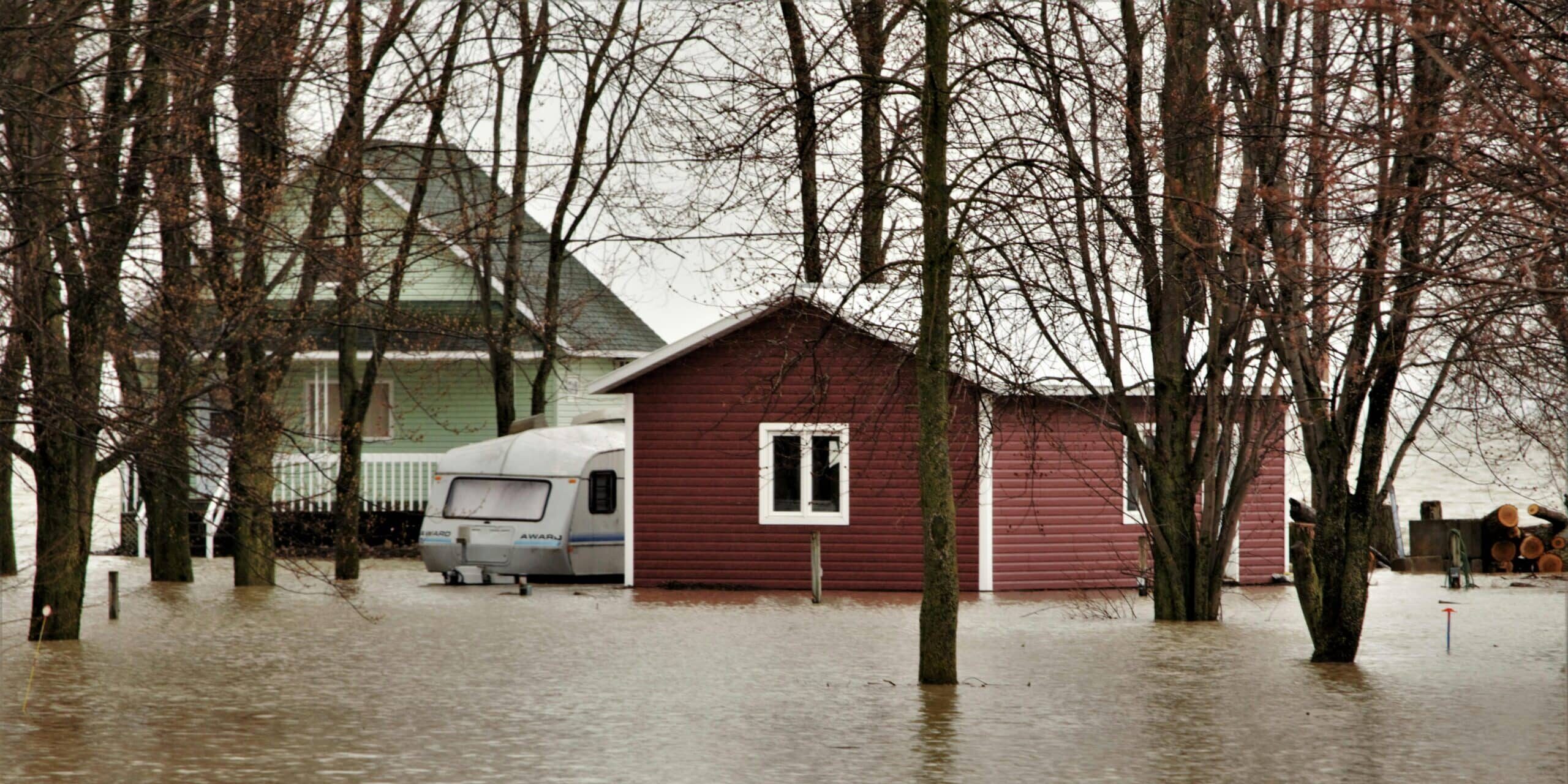
The term “Atmospheric River” is no longer a meteorological novelty for Vancouver residents; it is a seasonal reality that defines how we protect our homes. These “rivers in the sky,” long, narrow bands of concentrated moisture, can transport an amount of water vapour roughly equivalent to the average flow of water at the mouth of the Mississippi River.
When these systems stall over the Lower Mainland, the resulting deluge can overwhelm even the most robust municipal drainage systems, turning quiet residential streets into active flood zones. At Stratis Insurance, we believe that understanding the specific mechanics of water damage is the first step toward true asset protection.
The “Water Trio”: Understanding Your Coverage Gaps
In today’s insurance landscape, water damage is not a single category. To be fully protected, homeowners must understand the three distinct ways water can enter a home during an atmospheric river event:
- Sewer Backup: This occurs when municipal storm or sanitary sewer systems become overwhelmed by heavy rain, forcing water and sewage back through your home’s floor drains, toilets, or sinks. This is one of the most common claims in densifying Vancouver neighbourhoods where infrastructure is under increased pressure.
- Overland Water: This is water that enters your home from the ground level up. It includes the overflow of local bodies of freshwater (like the Fraser River) or the sudden accumulation of surface water from extreme rainfall that cannot drain away quickly enough.
- Groundwater & Seepage: Many insurers now distinguish “groundwater” as a separate peril. This is water that rises from beneath the surface, seeping through foundation cracks or basement floors due to a rising water table caused by prolonged saturation.
Why Vancouver is Uniquely Vulnerable
Vancouver’s urban geography creates specific risks during extreme weather. Older homes, particularly in areas like Kitsilano, East Vancouver, and Marpole, often rely on aging pipe systems that are more prone to failure under the weight of a 1-in-100-year storm event.
Furthermore, as the city continues to densify, the increase in “impermeable surfaces,” such as concrete driveways and larger building footprints, means there is less soil to absorb rainfall. This leads to increased “pooling” around foundations, which exerts hydrostatic pressure on basement walls, potentially causing structural bowing or cracks.
Proactive Protection: “Home Hardening” for 2026
Education is the most powerful tool for mitigation. To safeguard your property before the next atmospheric river arrives, consider these “home-hardening” strategies:
- Install a Backwater Valve: This one-way valve allows sewage to flow out of your home but closes automatically if water begins to back up from the city main.
- Sump Pump Maintenance: Ensure your sump pump is not only clear of debris but is equipped with a battery backup system. Power outages often accompany atmospheric rivers, and a pump without power is a leading cause of preventable basement flooding.
- Adopt-a-Catch-Basin: On a community level, keeping the storm drains on your street clear of leaves and debris can significantly reduce the risk of localized street flooding that leads to overland water claims.
- Foundation Waterproofing: Apply modern sealants to foundation cracks and ensure your property’s grading directs water at least six feet away from your home’s perimeter.
As the frequency of extreme weather events in British Columbia continues to rise, standard home insurance policies are evolving. Many of these water protections are optional “add-ons” rather than automatic inclusions. By identifying your home’s specific vulnerabilities today, you can ensure that your most valuable asset remains a safe haven for years to come.