
Recent catastrophic disasters have clearly illustrated the need for immediate attention to climate change and its inevitable risks. As a proud protector of our clients’ assets, Stratis Insurance recognizes that securing a low-carbon future is vital not only for our collective well-being but also for managing the growing financial risk of extreme weather.
The transition to cleaner energy, supported by initiatives like CleanBC, is a crucial strategy for managing these risks. Here is how provincial plans are creating a more resilient future for B.C. residents and businesses.
The Climate-Risk Connection: Why Insurance Matters
The global insurance industry is on the front lines of climate change. Extreme weather events are increasing the frequency and intensity of claims, which can lead to changes in insurance premiums and the scope of available coverage.
By reducing emissions in the largest contributing sectors—transportation (39% of emissions) and buildings and communities (21% of emissions)—B.C.’s climate policies act as a form of long-term risk mitigation. By making our homes and businesses more resilient and less carbon-intensive, we help manage the systemic risks that impact the availability and cost of insurance.
Cleaner Transportation: Incentivizing Change
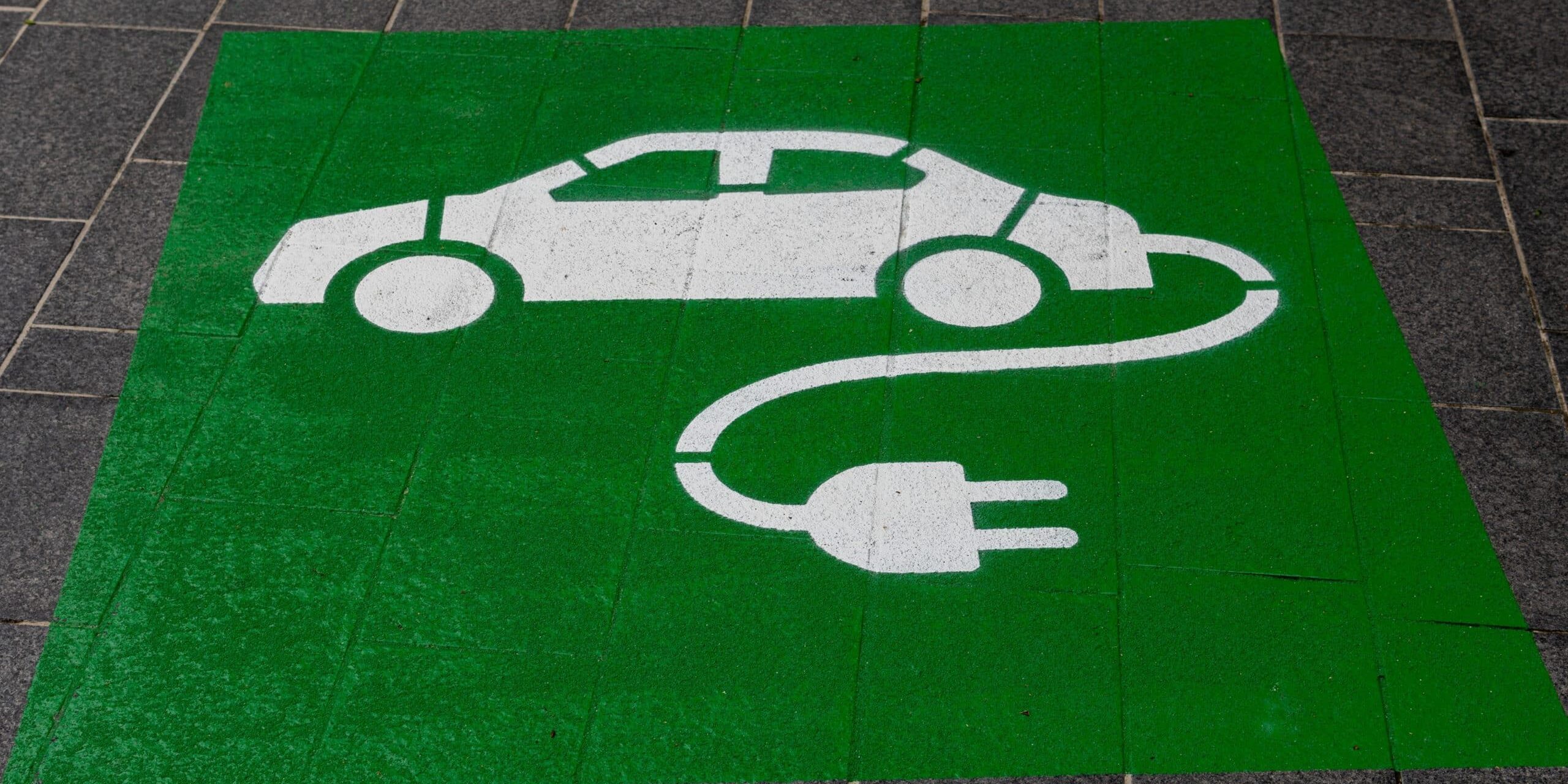
The B.C. government has outlined plans to support cleaner transportation, making Zero-Emission Vehicles (ZEVs) more accessible. While the provincial CleanBC Go Electric Passenger Vehicle Rebate program is currently paused and under review, other incentives and regulatory structures remain in place to drive adoption.
Key provincial support measures currently active include:
- PST Exemption: New ZEVs valued under $75,000 remain exempt from the graduated vehicle tax. Additionally, the purchase or lease of new ZEVs remains exempt from Provincial Sales Tax (PST).
- Charging Infrastructure: Rebates are available for installing EV chargers at homes and in multi-unit residential buildings (MURBs).
Choosing a ZEV can be an insurance-friendly decision, as some motor insurers may offer incentives to encourage the shift to low-emission vehicles.
Energy-Efficient Buildings: Reducing Exposure to Climate Effects
Buildings and homes are directly exposed to the financial damage caused by extreme weather. Upgrading heating and insulation is a primary strategy for both reducing emissions and building resilience.
- Heat Pump Incentives: To encourage the move away from fossil fuels, heat pumps are exempt from PST. This exemption helps make one of the most effective energy-saving upgrades more affordable.
- PST on Fossil Fuel Systems: Conversely, the PST on fossil fuel-powered heating equipment (like furnaces) increased from 7% to 12% in 2022 to incentivize switching.
- Added Resilience: Heat pumps not only reduce energy costs but also provide air conditioning, which is increasingly vital for occupant safety during extreme summer heat and can help filter air pollution from wildfire smoke.
Businesses looking to renovate or purchase commercial space can find funding and capital incentives through the CleanBC Better Buildings BC program to reduce energy use and emissions.
Your Next Step in Risk Management
Stratis Insurance encourages you to view these government incentives as an opportunity to reduce your home or business’s long-term risk profile.
Insurance coverage can encourage climate action by:
- Incentivizing the switch to low-emission vehicles.
- Discounting premiums for buildings that are more energy-efficient and resilient to weather risks.
To discuss how your choices in energy-efficient upgrades and vehicle purchases may affect your specific insurance coverage, please connect with a Stratis Insurance Advisor today.
Like the article? Share it with your friends!